What to Expect When You Invest in Professional Video for Your Business
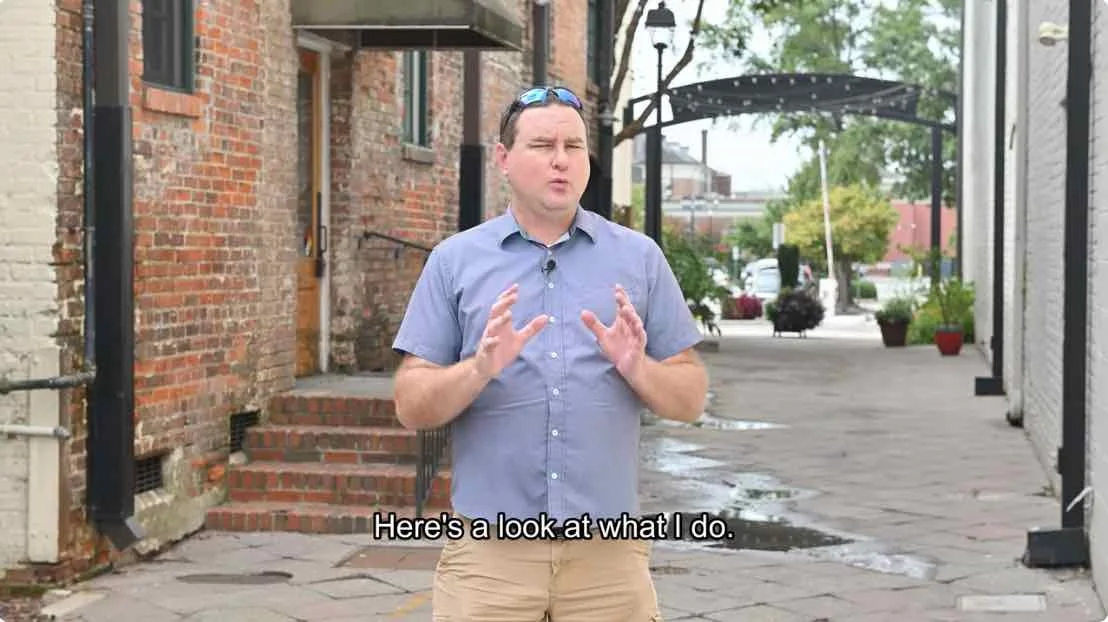
Let's clear something up right away. A professional business video is not about looking like a Hollywood production. You don't need dramatic drone shots, cinematic music, or slow-motion footage of someone thoughtfully staring out a window.
What you do need is a video that helps people understand who you are, what you do, and why they should choose you over the competition.
Unfortunately, a lot of business owners have no idea what to expect when they decide to invest in professional video. They know they need it, but they're worried they'll be awkward on camera, have no idea what to say, or end up with a video they never actually use.
If that's you, you're not alone. Here's what the process should actually look like.
It starts with a conversation, not a camera
The first step isn't scheduling a shoot. It's figuring out why you're making the video in the first place.
Are you introducing your company? Explaining a service? Recruiting employees? Building trust? Answering frequently asked questions?
Every successful video starts with a clear goal. If you don't know what you want the video to accomplish, you'll end up with something that looks nice but doesn't move your business forward.
A good videographer should ask a lot of questions before they ever unpack a camera: Who is your audience? What problem do you solve? What makes your business different? Where will this video be used?
The answers shape everything that follows.
You don't need to memorize a script
This is probably the biggest fear I hear.
"I'll forget what to say."
Good. Because I don't want you memorizing a speech anyway.
When people try to recite a script word for word, they usually sound exactly like they're reciting a script.
Your customers don't want that. They want to hear a real person.
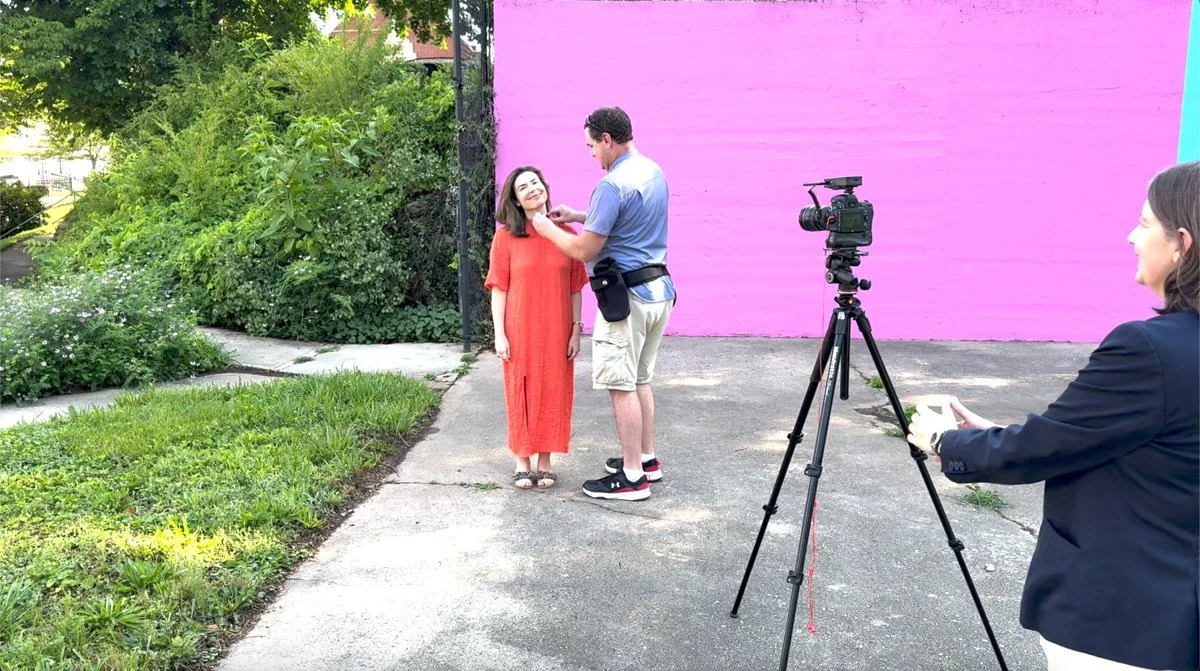
Sometimes we'll use bullet points instead of full sentences. Sometimes we'll have a conversation while the camera is rolling. Sometimes we'll break your message into short sections and record them one at a time.
The goal is to make you sound like yourself, not like a television commercial.
Expect to shoot more than you think
Most people imagine standing in one spot, talking to the camera for a few minutes, and calling it a day. That's only part of the process.
We'll also capture footage of you working. Your team interacting. Your office. Your products. Your equipment. Customers walking through the door. The little details that help tell your story.
This extra footage is called B-roll, and it's one of the most important parts of a great business video. Instead of watching someone talk for two straight minutes, viewers get to see your business in action. That keeps people engaged and helps reinforce your message.
Your first take probably won't be your last
And that's perfectly normal. Nobody nails every sentence on the first try. Not me. Not you. Not professional actors.
We'll stop. We'll laugh. We'll try again.
Sometimes the third take ends up being the best because you've relaxed and stopped thinking so much.
That's part of the process. The goal isn't perfection. The goal is authenticity.
One video can become many pieces of content
Here's something I wish more business owners understood. You're shouldn’t be hiring someone to create one video. You should be creating a content library.
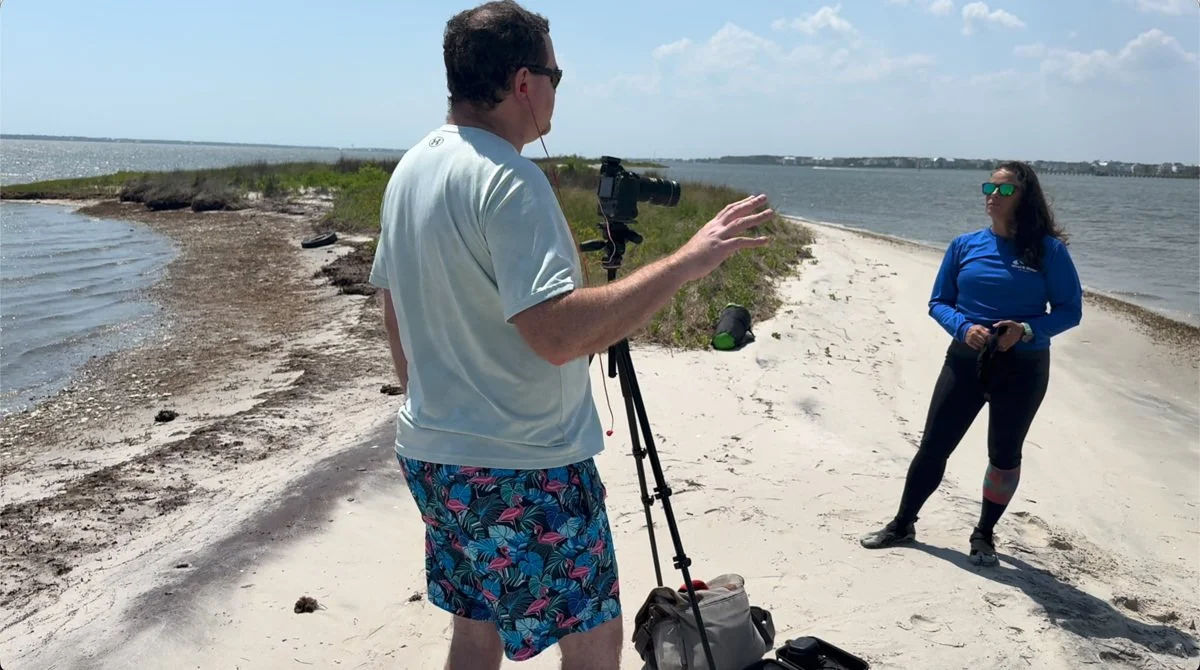
Let's say we spend half a day filming your business. From that session, you might end up with: A two-minute About video. Three thirty-second social media videos. Five short educational clips. Several behind-the-scenes videos. Video testimonials. Future advertising material.
One well-planned video session can support your marketing for months. That's where the real value comes from.
Editing is where the story comes together
A lot happens after the cameras are packed away. The best clips are selected. The pacing is refined. Color is adjusted. Audio is cleaned up. Graphics and logos are added. Music is chosen carefully. Every decision supports the story you're trying to tell.
Good editing isn't about flashy effects. It's about removing distractions so your message is clear.
In fact, if someone notices the editing more than your message, the editor probably got a little carried away.
You don't need to be everywhere
Some business owners think they need a different video for every social media platform. Not necessarily.
A well-planned shoot produces footage that can be edited into different formats. Horizontal for your website. Vertical for Instagram or Facebook. Short clips for LinkedIn. Longer versions for YouTube.
The footage stays the same. The delivery changes. That's why planning ahead is so important.
Video works because people get to know you
Photos build credibility. Video builds connection. People hear your voice. They see your personality. They watch how you interact with customers. They get a better sense of what it would actually be like to work with you.
That matters because people don't just hire businesses. They hire people they trust. Video helps build that trust long before someone picks up the phone.
The bottom line
Professional video isn't about making your business look bigger than it is. It's about making your business feel more real.
When it's done well, video answers questions before customers ask them. It builds confidence. It creates familiarity. It helps people understand what makes your business worth choosing.
And unlike a commercial that runs for a few weeks and disappears, a well-produced business video keeps working every day on your website, your social media, and your marketing materials.
When it's planned with purpose and created with your marketing goals in mind, it keeps delivering value long after the cameras stop rolling.
(Robotically written by ChatGPT, lovingly edited by Bob.)
———
View Open Aperture Photography’s photography and videography portfolios here.