Video vs. Photos: What Your Business Needs (and When)

Let’s get this out of the way first: you don’t need everything all at once. You don’t need a full-blown video campaign, 500 edited images, drone footage, and a behind-the-scenes documentary just to post something decent on Instagram.
But you do need the right kind of visual content for where your business is right now and where you’re trying to take it.
So, let’s talk about it: when do you need video, when do you need stills, and how do you use them without wasting money?
First, what’s the difference besides motion?
You’d think the answer’s obvious—photos don’t move, video does—but the real difference is in what they say.
Photos capture a moment. They freeze personality, professionalism, and trust in one frame.
Video tells a story. It lets people feel your personality, not just see it.
If stills are your handshake, video is the full conversation. Both are powerful. You just use them differently.

When photos do the heavy lifting
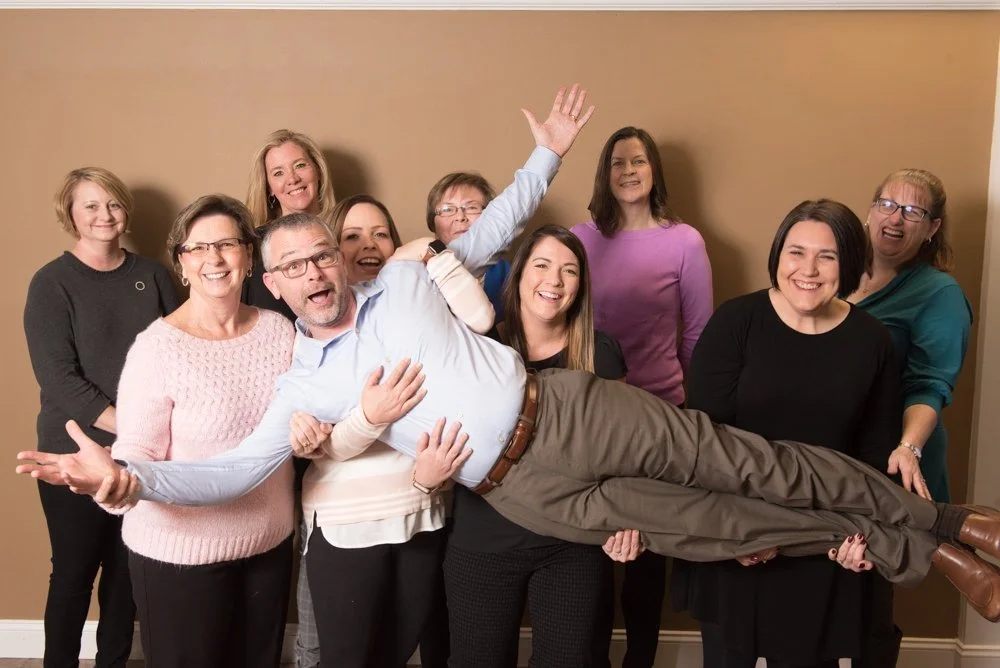
If your business is building trust, showing professionalism, or helping people put a face to a name, photography should be your first investment.
Think headshots, team photos, product shots, and branded lifestyle images.
These are the visuals that fill your website, your Google Business page, your email signature, your LinkedIn profile… you get the idea.
They’re the foundation of your visual identity, the stuff you can’t not have if you want to look credible.
Good photography answers a customer’s silent question: “Can I trust this person with my money?”
And before you say “But I can just use my iPhone,” sure, you can. You can also cut your own hair and design your own logo. But that doesn’t mean you should.
Professional photography doesn’t just make you look better, it makes you look consistent. It tells your audience, “I take my business seriously enough to invest in how it’s presented.”
And that translates directly to how seriously they take you.
When it’s time to hit record
Once your visual foundation is set, it’s time to move. Literally.
Video steps in when your audience needs to connect with your voice, energy, and story.
People buy from people they know, like, and trust. This is a quote that I cite all of the time. And nothing builds those three faster than seeing and hearing you in motion.
Here’s when you should seriously consider adding video:
You’re launching something new. A product, service, event, whatever, video gets attention faster than text or photos ever will.
You want to educate your audience. Quick explainers, demos, or behind-the-scenes clips help customers understand what you do and why you’re worth it.
You’re building your brand personality. Video is tone, body language, expression, everything that doesn’t come through in a photo.
You want to boost engagement. Algorithms love video. So do humans. Even short, authentic clips can outperform polished ads if they feel real.
The key isn’t production value, it’s connection. A beautifully lit 60-second brand story will do more for your marketing than a dozen random reels that don’t say anything.
The best of both worlds
If you’re wondering, “Okay, but what’s the ideal mix?”, here’s the honest answer: it depends on your marketing goals.
Here’s a simple way to think about it:
Build trust & credibility: Photos
Drive awareness or excitement: Video
Showcase professionalism (LinkedIn, website): Photos
Tell your story, show your energy: Video
Strengthen your brand identity: Both
Generate ongoing social content: Both (repurpose!)
Your photos make you recognizable.
Your videos make you memorable.
Use both strategically and they’ll feed each other. For example, pull stills from a video shoot for your website banners. Or use brand photography as the thumbnail for a video ad. Each piece supports the other.
A quick word about budget (and sanity)
If your budget only allows for one thing right now, start with photos.
They’re versatile, evergreen, and can carry your brand while you plan your next move.
Then, when you’re ready, add video intentionally. Don’t just shoot a “promo” because you feel like you should. Have a goal. Know what you’re saying, who you’re saying it to, and where that video will live.
Because nothing kills momentum faster than a gorgeous video that never gets used.
The takeaway
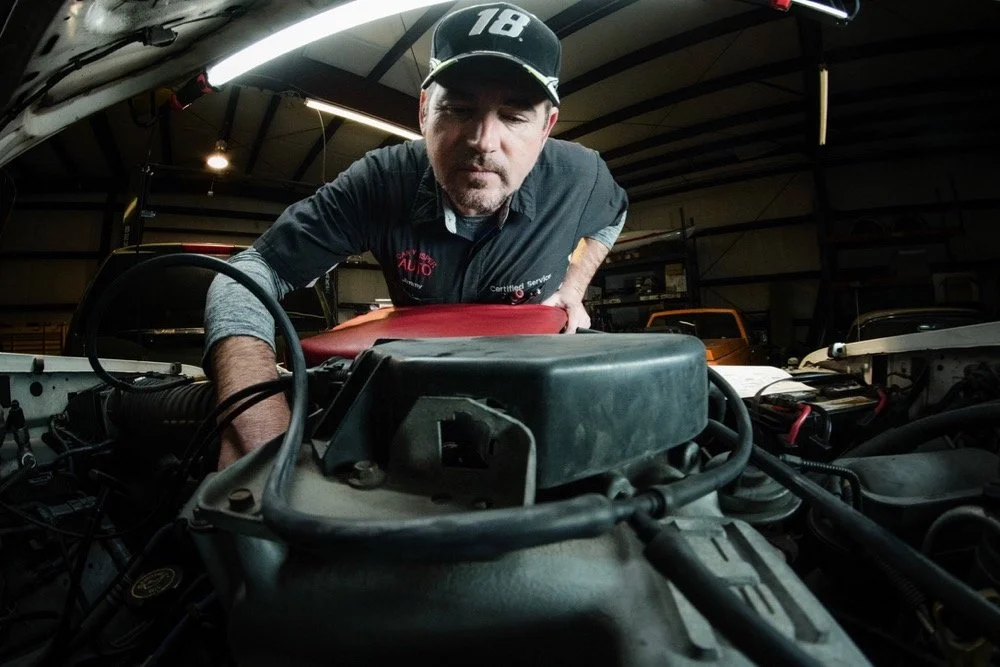
Visual marketing isn’t about keeping up with trends; it’s about communicating clearly.
Photography says, “This is who I am.”
Video says, “This is why you should care.”
If you’ve got both working in harmony, your brand becomes something people recognize and remember. And when they remember you, they hire you.
So don’t overthink it. Start where you are, plan for where you’re going, and let your visuals do the talking.
(Robotically written by ChatGPT, lovingly edited by Bob.)
———
View Open Aperture Photography’s photography and videography portfolios here.